Exploring Tanzania by self-drive car is an exciting way to experience the country’s beauty and wildlife at your own pace. From vast savannahs and stunning national parks to vibrant cities and scenic landscapes, having the freedom to travel on your own schedule makes any trip more memorable. However, renting a car in Tanzania involves more than just picking a vehicle and driving off. The cost of a self-drive car can vary widely, and understanding these differences is important for planning your adventure. Knowing what factors influence rental prices can help you budget effectively, avoid unexpected expenses, and choose the right car for your journey. Whether it’s your first safari or your tenth, being informed about rental costs will make your Tanzania safari safer, more comfortable, and truly unforgettable.
- Type of Vehicle
The specific model of the vehicle is a major factor in rental price. The Toyota Land Cruiser 76 and 78 are heavy-duty 4×4 vehicles designed for rough terrain and long journeys. They are more expensive to rent than smaller cars because they are built to handle Tanzania’s challenging roads, including dirt tracks in national parks and remote areas. These Land Cruisers offer extra seating, higher fuel consumption, and strong off-road performance, all of which increase rental costs. Travelers who want comfort, safety, and the ability to explore areas off the beaten track will need to budget for these specialized vehicles.
- Rental Duration
The length of time you rent the vehicle effects the overall cost. Short-term rentals, such as one or two days, often have a higher daily rate because of administrative fees and maintenance costs. Longer rentals, like one week or more, often include discounts per day. For example, renting a Land Cruiser 76 for seven days is usually cheaper per day than renting it for three days. Planning your trip to match your rental duration ensures cost efficiency while allowing you enough time to explore Tanzania’s parks, lakes, and scenic routes comfortably.
- Travel Season
The time of year you visit Tanzania has a significant impact on rental costs. High season, such as June to October and December to January, coincides with school holidays and peak safari months. During this period, demand for 4×4 vehicles like the Land Cruiser 76 or 78 is high, causing prices to rise. Low season, especially during the rainy months from March to May, usually offers lower rental rates, but some roads may be muddy, and certain remote areas could be inaccessible. Choosing your travel season carefully can balance your budget with your travel experience, giving you the best value for your money.
- Rental Company
The choice of rental company plays a big role in cost differences. Local Tanzanian companies may offer lower prices but require careful consideration of vehicle condition, service quality, and included benefits. Some local companies specialize in safari-ready vehicles, ensuring that the Land Cruiser 76 or 78 is well-equipped for national parks. Comparing several rental companies, reading reviews, and checking what is included can help you get the best deal without compromising safety or comfort.
- Insurance Coverage
Insurance significantly affects rental cost. Basic insurance is usually included, but extra coverage options, such as collision damage waiver (CDW), theft protection, or third-party liability, increase the daily rate. For 4×4 vehicles like the Land Cruiser 76 or 78, extra insurance is recommended because these cars are used on rough terrain where accidents or minor damage can happen. Although higher insurance coverage increases upfront costs, it protects you against expensive repairs, theft, or accidents. Travelers who plan to self drive Tanzania most especially exploring remote parks or unfamiliar areas should consider full insurance for peace of mind.
- Pickup and Drop-Off Locations
Where you collect and return the vehicle can influence the price. Airport pickups, like at Kilimanjaro International Airport (JRO) or Dar es Salaam (DAR), may have extra service fees. Returning the Land Cruiser to a different city than where you picked it up, called a “one-way rental,” usually incurs additional charges. For example, picking up the vehicle in Arusha and dropping it off in Dar es Salaam will likely cost more than returning it to the same location. Planning your route and coordinating pickup and drop-off points helps reduce extra fees and makes the rental more economical.
- Age and Driving Experience of the Driver
Rental companies often require drivers to be at least 21 years old, and drivers under 25 may pay additional fees. Some companies also require drivers to have held a valid license for a minimum period, often 1–2 years. Younger or less experienced drivers are considered higher risk, which increases the rental cost. Older or experienced drivers usually qualify for standard rates. This policy ensures safety while driving heavy 4×4 vehicles like the Land Cruiser 76 or 78, which require skill to handle off-road terrains.
- Fuel Policy
Fuel policy affects overall cost. The most common policy is “full-to-full,” where you pick up the car with a full tank and return it full. Some rental companies offer “prepaid fuel” or “full-to-empty” options, which can be more expensive because you pay for fuel upfront regardless of actual usage. Land Cruiser 76 and 78 vehicles have higher fuel consumption due to their size and engine capacity. Understanding the fuel policy helps you avoid extra costs and plan refueling stops, especially when driving in remote areas with limited petrol stations.
- Additional Equipment
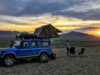
Extra equipment can increase rental costs. For a Land Cruiser 76 or 78, travellers often add items like roof racks, GPS devices, fridges, or rooftop tents for camping safaris. These accessories make your journey more comfortable and convenient but add to the rental price. For example, a rooftop tent allows you to camp safely in national parks or remote regions, but it may cost extra per day. Deciding which extras are essential for your trip ensures a better balance between comfort and cost.
- Road Conditions and Travel Destinations
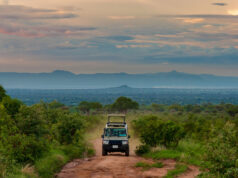
Where you plan to drive affects the type of car and rental cost. City roads and highways are easy on vehicles, so a standard car could be sufficient. However, national parks like Serengeti, Tarangire, Ruaha, and Selous require 4×4 vehicles like the Land Cruiser 76 or 78 due to rough dirt tracks and uneven terrain. Using a 4×4 is safer and reduces the risk of damage, but these vehicles are more expensive to rent. Knowing your route and road conditions allows you to choose the right vehicle for your journey and avoid unnecessary expenses.
- Mileage Allowance
Some rental agreements limit the number of kilometres you can drive. Exceeding this limit results in extra charges per kilometre. Unlimited mileage options cost more upfront but give you the freedom to explore Tanzania without worrying about extra fees. For long trips covering multiple parks, lakes, and scenic routes, unlimited mileage is often the best choice. Planning your daily distances and choosing the appropriate mileage package ensures cost efficiency and prevents unexpected charges at the end of your rental.
- Vehicle Age and Condition
Newer Land Cruisers are more expensive because they are more reliable and have lower maintenance risks. Older vehicles are cheaper but may be less reliable on long safari trips. Rental companies often maintain their vehicles specifically for off-road driving, which can increase rental costs. Before renting, check the vehicle’s mileage, service history, and condition. A well-maintained Land Cruiser 76 or 78 is essential for safety, comfort, and smooth driving on rough terrain, even if it comes at a higher price.
- Seasonal Demand and Special Events
High demand during peak safari seasons, national holidays, or events like the Great Migration increases rental prices. During these times, availability of 4×4 vehicles like the Land Cruiser 76 or 78 is limited, causing prices to rise. Booking early during high-demand periods can secure better rates and ensure availability. Being aware of peak seasons allows travellers to plan ahead, either by reserving early or choosing less crowded times to travel, making the trip both affordable and enjoyable.
Conclusion
Renting a self-drive car in Tanzania gives you the freedom to explore the country at your own pace, from national parks to scenic routes. The cost of a rental depends on several important factors, such as the type of vehicle, rental duration, travel season, insurance, and pickup or drop-off locations. Being aware of these factors helps you plan your budget and choose the right car for your adventure. By understanding how rental prices are determined, you can make informed decisions, avoid surprises, and enjoy a safe, comfortable, and memorable self-drive experience in Tanzania.